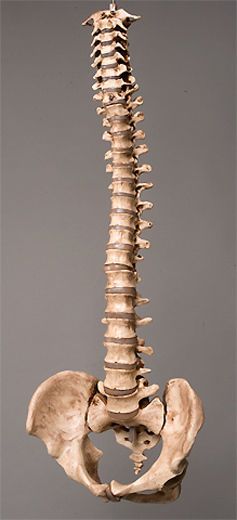
What is Osteoporosis?
Osteoporosis is a disease where bones become brittle and can fracture more easily than healthy bone. Bones become brittle when they have less density.
Our bones are constantly making new bone and breaking down old bone which is then reabsorbed. Special bone cells called osteoclasts are responsible for breaking down old bone and cells called osteoblasts are responsible for building new bone. For the women and men who have osteoporosis, osteoclasts break down old bone more quickly than the osteoblasts can rebuild it.
Estrogen has a lot to do with this process which is why osteoporosis tends to affect more women than men and particularly women in menopause. When there isn’t enough estrogen in the body osteoclasts become more active and break down bone before the osteoclasts have time to rebuild it.
Am I at Risk?
The greatest risk factor for osteoporosis is in postmenopausal women because they lack estrogen, however, osteoporosis affects men too. Approximately one in four women who are aged 65 or older will get osteoporosis and about one in seventeen men age 65 or older. Caucasian and Asian women are also at higher risk.
Another factor that contributes is lesser body weight. As will be discussed in the how to prevent bone fractures section, weight bearing exercises helps build bone so for people who are heavier set, there is more impact on the bones while moving and walking which, in turn, helps build bone.
If you’ve had a bone fracture it is good to talk to your doctor about getting a procedure called a “dexa-scan” to see if osteoporosis might be a factor, particularly if you are age 65 or older. Another risk factor is taking high dose steroids for up to 6 months.
How Should I Take Care of Myself?
If you have been diagnosed with osteoporosis there are several things you can do to take care of yourself. You may want to consider medication. Most osteoporosis medications, such as bisphosphonates, work by preventing osteoclasts from working, thus old bone doesn’t break down.
However, note though that this doesn’t speed up the osteoclast process to build new bone. Old bone just stays there rather than being reabsorbed by the body. For people who are older, this isn’t a problem but for those who are younger and have osteoporosis the long-term effects of this process are unknown.
It is helpful to take supplements that affect bone health such as Vitamin D and Calcium. Magnesium and Vitamin K may also be helpful. And finally, weight bearing and impact exercise is also extremely important. This will be discussed in the next section.
How to Prevent Bone Fractures
One of the best ways to prevent bone fracture is to avoid falling. That may seem obvious but it bears mentioning because the best way to avoid falling is through good balance.
Exercise such as yoga or other exercise that focuses on balance can really help. Exercises that emphasize core muscle strength also aid balance.
Another way to prevent fracture is through weight bearing and impact exercise. Weight bearing exercise is any exercise done while standing and adding weight to the body. Impact exercises include walking, running, and jumping.
Weight bearing exercise slows bone loss and can even help build new bone. The exercises in this module include many balance exercises that incorporate weights to help with balance AND prevent further bone loss.